
High Blood Pressure Explained: Causes, Symptoms, Risks & Treatment
High blood pressure, also known as hypertension, is one of the most common health conditions in the UK. It often develops without causing any noticeable symptoms, which is why it’s sometimes referred to as the “silent killer.” If left untreated, it can increase your risk of serious health problems, including heart disease, stroke, kidney disease and other cardiovascular complications.
The good news is that high blood pressure can often be detected early and managed effectively through regular Blood Pressure Checks, healthy lifestyle changes and, where appropriate, medication. Knowing your blood pressure reading is one of the simplest and most effective ways to protect your long-term health.
In this guide, you’ll learn what high blood pressure is, what causes it, who is most at risk, the symptoms to look out for, how it’s diagnosed and treated, and the steps you can take to help keep your blood pressure under control. You’ll also learn about the services available at PillBox Chemists, including Blood Pressure Checks, Ambulatory Blood Pressure Monitoring (ABPM), Blood Tests and Weight Management, to help support your cardiovascular health.
What Is High Blood Pressure?
High blood pressure, also known as hypertension, occurs when the force of blood pushing against the walls of your arteries is consistently too high. Over time, this increased pressure makes your heart work harder to pump blood around your body and can damage your blood vessels and vital organs, increasing the risk of serious health conditions.
Blood pressure is measured using two numbers, expressed as millimetres of mercury (mmHg):
- Systolic blood pressure (the top number) measures the pressure in your arteries when your heart beats.
- Diastolic blood pressure (the bottom number) measures the pressure in your arteries when your heart relaxes between beats.
A single high reading doesn’t necessarily mean you have high blood pressure. Your blood pressure naturally changes throughout the day and can be affected by factors such as physical activity, stress, caffeine, smoking and certain medications. If your readings remain consistently high over time, your healthcare professional may recommend further assessment to confirm a diagnosis.
Because high blood pressure often has no obvious symptoms, many people don’t realise they have it until it’s detected during a routine Blood Pressure Check. That’s why regular monitoring is so important, particularly if you’re over 40 or have other risk factors for cardiovascular disease.
What Is a Normal Blood Pressure Reading?
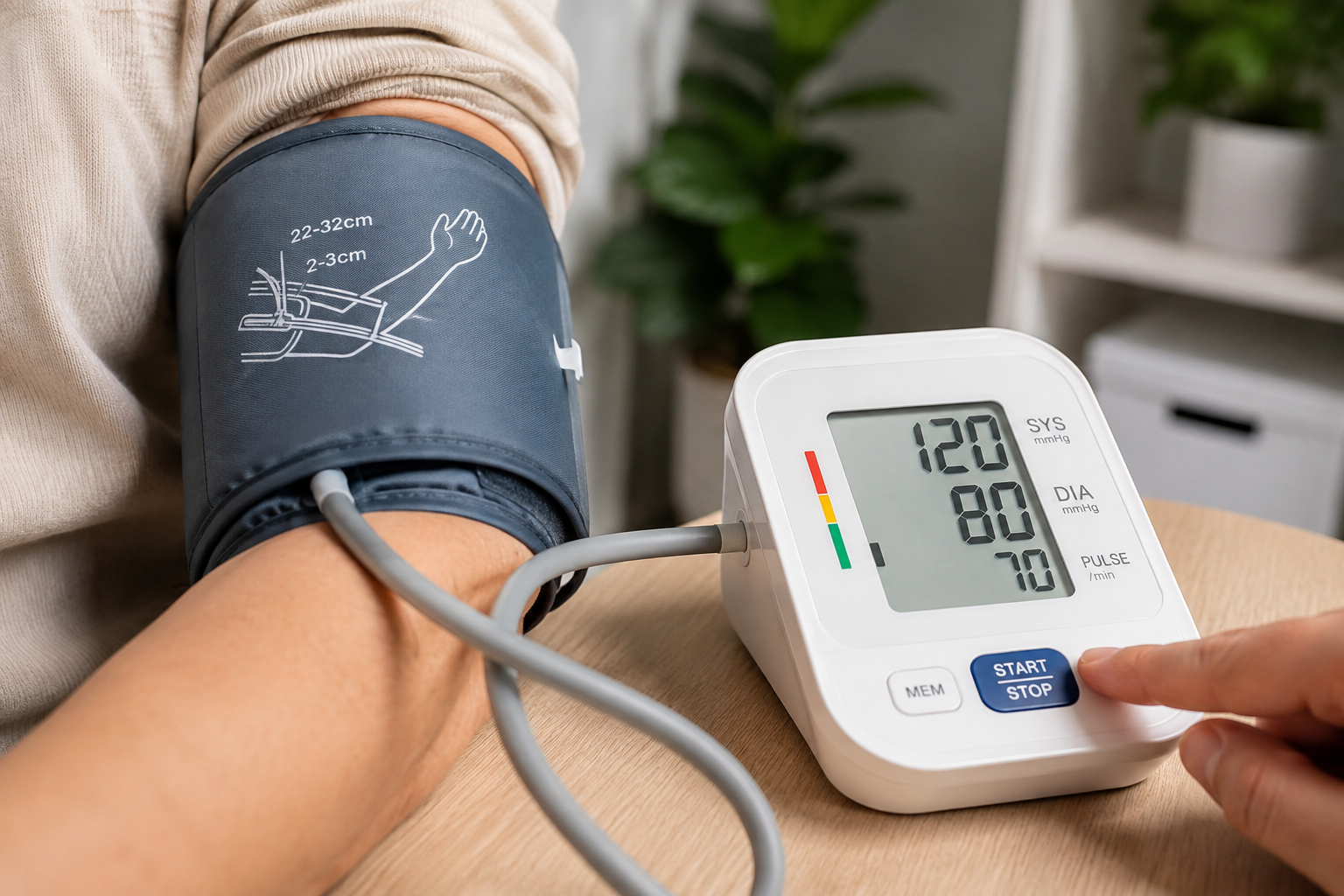
A blood pressure reading is recorded as two numbers, for example 120/80 mmHg, and both are important in assessing your cardiovascular health.
- Systolic pressure (the top number) measures the pressure in your arteries when your heart beats and pumps blood around your body.
- Diastolic pressure (the bottom number) measures the pressure in your arteries when your heart relaxes between beats.
According to current NHS and NICE guidance, high blood pressure (hypertension) is generally diagnosed when a clinic blood pressure reading is consistently 140/90 mmHg or above. If you’re monitoring your blood pressure at home or using Ambulatory Blood Pressure Monitoring (ABPM), a reading is generally considered high if it is consistently 135/85 mmHg or above.
An ideal blood pressure reading is usually considered to be around 120/80 mmHg. However, blood pressure naturally varies from person to person and can change throughout the day depending on factors such as activity levels, stress and overall health. For this reason, healthcare professionals don’t diagnose high blood pressure based on a single reading alone.
The table below provides a general guide to understanding blood pressure readings.
| Blood Pressure Category | Clinic Reading (mmHg) |
| Ideal | Around 120/80 |
| High Blood Pressure (Hypertension) | 140/90 or above |
| Very High Blood Pressure | 180/120 or above (requires urgent medical assessment) |
Because blood pressure naturally fluctuates throughout the day, a diagnosis of high blood pressure is not usually based on a single reading. If your readings remain consistently raised, your healthcare professional may recommend repeat measurements or Ambulatory Blood Pressure Monitoring (ABPM) to confirm the diagnosis.
If you’re unsure about your blood pressure, PillBox Chemists offers Blood Pressure Checks at participating branches. Our pharmacists can explain your reading, discuss any concerns and advise whether further monitoring or assessment may be appropriate.
What Are the Symptoms of High Blood Pressure?
One of the biggest challenges with high blood pressure is that it usually doesn’t cause any noticeable symptoms. Many people feel completely well and only discover they have hypertension during a routine Blood Pressure Check.
High blood pressure is often referred to as the “silent killer.” Without regular monitoring, it can remain undetected for years while gradually damaging your heart, blood vessels, kidneys and other vital organs.
Although most people experience no symptoms, very high blood pressure can occasionally cause:
- Severe headaches
- Blurred vision or other changes in vision
- Chest pain
- Shortness of breath
- Dizziness
- Nosebleeds (less common)
- Confusion
If you experience chest pain, severe shortness of breath, sudden weakness, difficulty speaking, or sudden vision loss, seek immediate medical attention by calling 999 or attending your nearest Accident & Emergency (A&E) department. These symptoms could indicate a medical emergency, such as a heart attack or stroke, and should not be ignored.
Because symptoms are often absent, regular Blood Pressure Checks are the only reliable way to know whether you have high blood pressure.
What Causes High Blood Pressure and Who Is Most at Risk?
High blood pressure often develops gradually as a result of a combination of age, genetics, lifestyle and underlying health conditions.
You may be more likely to develop hypertension if you:
- Are aged 40 or over
- Have a family history of high blood pressure
- Are overweight or living with obesity
- Eat too much salt
- Are physically inactive
- Smoke
- Drink alcohol regularly
- Experience long-term stress
- Have diabetes, kidney disease or sleep apnoea
- Are of Black African, Black Caribbean or South Asian ethnicity
Although you can’t change some risk factors, maintaining a healthy weight, exercising regularly, reducing your salt intake, stopping smoking and limiting alcohol can all help lower your blood pressure and improve your heart health.
What Are the Complications of High Blood Pressure?
When high blood pressure isn’t treated or well controlled, it can gradually damage your blood vessels and place extra strain on your heart and other vital organs. This damage often develops silently over many years, which is why early detection and effective management are so important.
Left unmanaged, high blood pressure (hypertension) can increase your risk of several serious health conditions, including:
- Heart attack – High blood pressure can narrow and damage the arteries that supply blood to the heart, increasing the risk of a heart attack.
- Stroke – Raised blood pressure is one of the leading risk factors for stroke because it can damage or block the blood vessels that supply the brain.
- Heart failure – The heart has to work harder to pump blood around your body, which can weaken the heart muscle over time.
- Kidney disease – High blood pressure can damage the blood vessels in the kidneys, reducing their ability to filter waste from the blood effectively.
- Vision problems – Damage to the small blood vessels in the eyes can lead to blurred vision and, in severe cases, permanent vision loss.
The good news is that many of these complications are preventable. Regular Blood Pressure Checks, healthy lifestyle changes and appropriate treatment can significantly reduce your risk and help protect your long-term health.
If your blood pressure is consistently raised, your healthcare professional may recommend further investigations, such as Ambulatory Blood Pressure Monitoring (ABPM) or Blood Tests, to help confirm a diagnosis, assess your cardiovascular health and identify any underlying conditions.
How Is High Blood Pressure Diagnosed?
The only reliable way to know if you have high blood pressure is to have your blood pressure checked.
A Blood Pressure Check is quick, painless and usually takes just a few minutes. If your reading is higher than expected, your healthcare professional may recommend Ambulatory Blood Pressure Monitoring (ABPM). This involves wearing a portable monitor for 24 hours, providing a more accurate picture of your blood pressure throughout your normal daily routine.
ABPM can help:
- Confirm a diagnosis of high blood pressure
- Detect white coat hypertension
- Detect masked hypertension
- Monitor blood pressure treatment
Regular Blood Pressure Checks are particularly important if you’re aged 40 or over, have a family history of high blood pressure, are overweight, have diabetes or kidney disease, or have previously had raised blood pressure readings.
Blood Tests and High Blood Pressure
Although Blood Tests cannot diagnose high blood pressure, they help assess your overall cardiovascular health and identify possible underlying causes.
Your healthcare professional may recommend tests for:
- Kidney function
- Blood glucose (HbA1c)
- Cholesterol
- Electrolytes
- Thyroid function (where appropriate)
These tests can provide valuable information alongside Blood Pressure Checks and ABPM.
Weight Management and High Blood Pressure
Maintaining a healthy weight is one of the most effective ways to help manage high blood pressure. Losing even 5–10% of your body weight can help lower blood pressure and reduce your risk of heart disease and stroke.
Healthy weight loss includes:
- Eating a balanced diet
- Regular physical activity
- Reducing salt and processed foods
- Limiting alcohol
- Getting enough sleep
Where clinically appropriate, our Weight Management Programme can provide personalised support to help you achieve sustainable, long-term results.
Frequently Asked Questions (FAQs)
Can you have high blood pressure without any symptoms?
Yes. High blood pressure (hypertension) often has no noticeable symptoms, which is why it’s known as the “silent killer.” Many people only discover they have high blood pressure during a routine Blood Pressure Check.
What is considered a normal blood pressure reading?
According to current NHS guidance, high blood pressure is generally diagnosed when clinic readings are consistently 140/90 mmHg or above. An ideal blood pressure reading is around 120/80 mmHg, although your healthcare professional will interpret your results based on your age, medical history and overall health.
Can high blood pressure be cured?
There isn’t usually a cure for high blood pressure, but it can often be managed successfully through healthy lifestyle changes and, where necessary, medication. Regular monitoring helps ensure your blood pressure remains within a healthy range.
How often should I have my blood pressure checked?
Adults aged 40 and over are generally advised to have their blood pressure checked at least every five years, even if they feel well. More frequent checks may be recommended if you’ve previously had high readings, have certain medical conditions or are at increased risk of developing hypertension.
Can I get my blood pressure checked at PillBox Chemists?
Yes. PillBox Chemists offers Blood Pressure Checks at all branches. If your reading is raised, our pharmacy team can explain your results and advise whether further assessment, such as Ambulatory Blood Pressure Monitoring (ABPM), may be appropriate. All branches also offer ABPM, Blood Tests and Weight Management services to support your cardiovascular health.
Take Control of Your Blood Pressure Today
High blood pressure often develops without symptoms, but early detection can make a significant difference to your long-term health. Regular monitoring, healthy lifestyle changes and the right support can help reduce your risk of serious complications such as heart disease, stroke and kidney disease.
Whether you want to check your blood pressure, learn more about your cardiovascular health or receive support with managing your weight, PillBox Chemists is here to help.
Our services to support your cardiovascular health include:
- Blood Pressure Checks
- Ambulatory Blood Pressure Monitoring (ABPM)
- Blood Tests
- Weight Management Programme
Our experienced healthcare team is here to provide expert advice, answer your questions and help you take proactive steps towards better health.
Book your Blood Pressure Check with PillBox Chemists today and take the first step towards protecting your heart and your future.