
Introduction
Getting a GP appointment isn’t always necessary for some common health conditions. Through the NHS Pharmacy First service, community pharmacists can assess and treat seven conditions, helping you access NHS care quickly and conveniently.
Depending on your symptoms, age and eligibility, your pharmacist can provide clinical advice and, where appropriate, treatment.
In this guide, we’ll look at the seven conditions covered by Pharmacy First, the symptoms to look out for and when you may need further medical advice.
What Is NHS Pharmacy First?
NHS Pharmacy First is a service in England that gives eligible patients access to advice and treatment for seven common health conditions directly from a community pharmacy.
During a consultation, the pharmacist will assess your symptoms and follow the relevant NHS clinical pathway. They may provide self-care advice, recommend treatment or supply certain medicines, including prescription-only medicines where clinically appropriate.
If your symptoms need further investigation or are not suitable for Pharmacy First, the pharmacist will advise you on the appropriate next steps.
What 7 Conditions Can a Pharmacist Treat?
NHS Pharmacy First covers seven common conditions, with specific age ranges and eligibility criteria for each:
| Condition | Pharmacy First age range |
| Sore throat | 5 years and over |
| Sinusitis | 12 years and over |
| Earache (acute otitis media) | 1–17 years |
| Infected insect bites | 1 year and over |
| Impetigo | 1 year and over |
| Shingles | 18 years and over |
| Uncomplicated urinary tract infection (UTI) | Women aged 16–64 years |
Meeting the age criteria does not automatically mean that treatment or medication will be supplied. The pharmacist will assess your symptoms and eligibility before recommending the most appropriate care.
- Sore Throat
A sore throat is usually caused by a viral infection, such as a cold or flu. Common symptoms include pain when swallowing, a dry or scratchy throat, redness at the back of the mouth and swollen glands in the neck. Most sore throats improve on their own within a week.
Through NHS Pharmacy First, pharmacists can assess sore throats in adults and children aged 5 years and over. Depending on your symptoms, the pharmacist may recommend self-care, pain relief or other appropriate treatment.
Antibiotics are not usually needed for a sore throat. However, where clinically appropriate and the relevant NHS criteria are met, the pharmacist may supply an antibiotic.
If you have difficulty breathing, cannot swallow, are drooling, or your symptoms are severe and getting worse quickly, seek urgent medical help.
- Sinusitis
Sinusitis, also known as a sinus infection, is swelling of the sinuses and is common after a cold or flu. Symptoms can include pain or tenderness around the cheeks, eyes or forehead, a blocked or runny nose, reduced sense of smell, headache and green or yellow nasal mucus.
Through NHS Pharmacy First, pharmacists can assess sinusitis in adults and children aged 12 years and over.
Most cases improve without antibiotics. Depending on your symptoms and how long you have had them, your pharmacist may recommend self-care, pain relief or other appropriate treatment where clinically appropriate.
If you are very unwell, your symptoms are getting worse, painkillers are not helping, or you have a weakened immune system, seek urgent medical advice from your GP or NHS 111.
- Earache (Acute Otitis Media)
Earache is common in children and may be caused by acute otitis media, an infection of the middle ear. Symptoms can include ear pain, a high temperature, difficulty hearing, discharge from the ear, or a feeling of pressure or fullness. Younger children may also rub or pull at their ear or become irritable.
Through NHS Pharmacy First, pharmacists can assess acute otitis media in children and young people aged 1–17 years. An in-person consultation is required so the pharmacist can examine the ear using an otoscope.
Most middle ear infections improve without antibiotics. The pharmacist may recommend self-care, pain relief or other appropriate treatment, depending on their assessment.
If your child is very unwell, has swelling around the ear, new hearing loss, fluid coming from the ear, or symptoms that are getting significantly worse, seek urgent medical advice from your GP or NHS 111.
- Infected Insect Bites
Most insect bites and stings improve within a few days, but occasionally the area can become infected. Signs may include increasing redness, pain, swelling, warmth, or pus or fluid from the affected area.
Through NHS Pharmacy First, pharmacists can assess infected insect bites in adults and children aged 1 year and over.
Depending on your symptoms, the pharmacist may recommend self-care or other appropriate treatment.
If the redness or swelling is spreading quickly, you feel very unwell, or the bite is around the mouth, throat or eyes, seek urgent medical advice. If you develop difficulty breathing or swelling of the lips, mouth, throat or tongue, call 999 immediately.
- Impetigo
Impetigo is a common and highly contagious skin infection, particularly in young children. It usually causes red sores or blisters that burst and leave golden-brown, crusty patches, often around the nose, mouth and hands.
Through NHS Pharmacy First, pharmacists can assess and treat impetigo in adults and children aged 1 year and over. Depending on the infection, treatment may include hydrogen peroxide cream or antibiotics where clinically appropriate.
Because impetigo spreads easily, avoid sharing towels, bedding or clothing, wash your hands regularly and try not to touch or scratch the affected skin. If symptoms worsen despite treatment, keep coming back, or you have a weakened immune system, seek further medical advice.
- Shingles
Shingles is an infection caused by the same virus that causes chickenpox. It usually causes a painful, tingling or burning sensation, followed by a blistering rash that typically appears on one side of the body.
Through NHS Pharmacy First, pharmacists can assess shingles in adults aged 18 years and over.
It is important to seek advice early if you think you have shingles. Where clinically appropriate, the pharmacist may supply antiviral medication and advise you on managing pain and caring for the rash.
If the rash is around your eye or nose, you have changes to your vision, you are pregnant, or you have a severely weakened immune system, seek urgent medical advice from your GP or NHS 111.
- Urinary Tract Infection (UTI)
A urinary tract infection (UTI) affects the urinary system, most commonly the bladder or urethra. Symptoms can include pain or burning when urinating, needing to urinate more often or urgently, cloudy urine and lower abdominal discomfort.
Through NHS Pharmacy First, pharmacists can assess uncomplicated UTIs in women aged 16–64 years, subject to the relevant eligibility criteria.
Depending on your symptoms, the pharmacist may provide self-care advice or appropriate treatment.
If you are pregnant, have a high temperature, pain in your back or side below the ribs, feel very unwell, or have recurrent UTIs, seek further medical advice from your GP or NHS 111.
What Happens During a Pharmacy First Consultation?
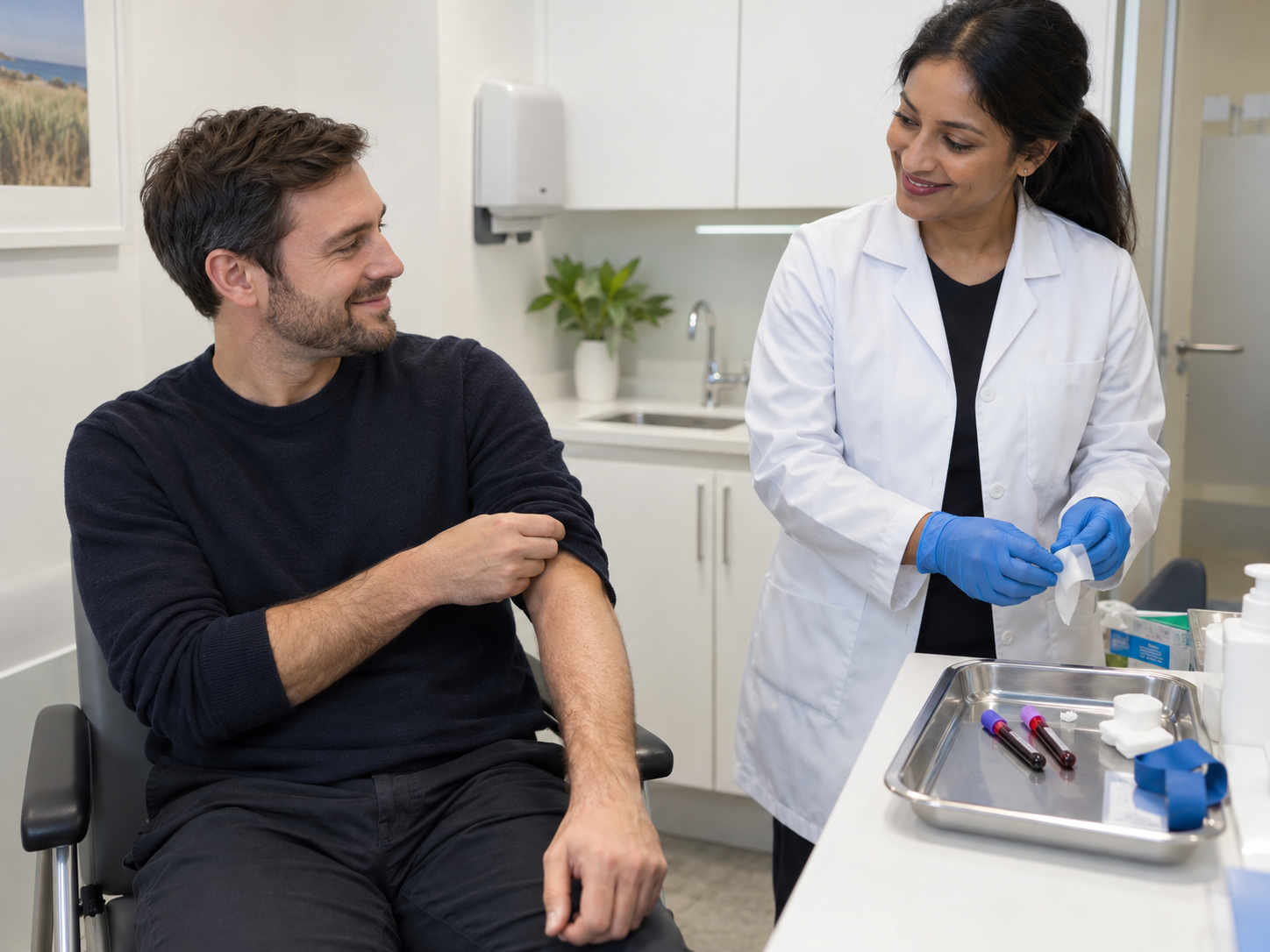
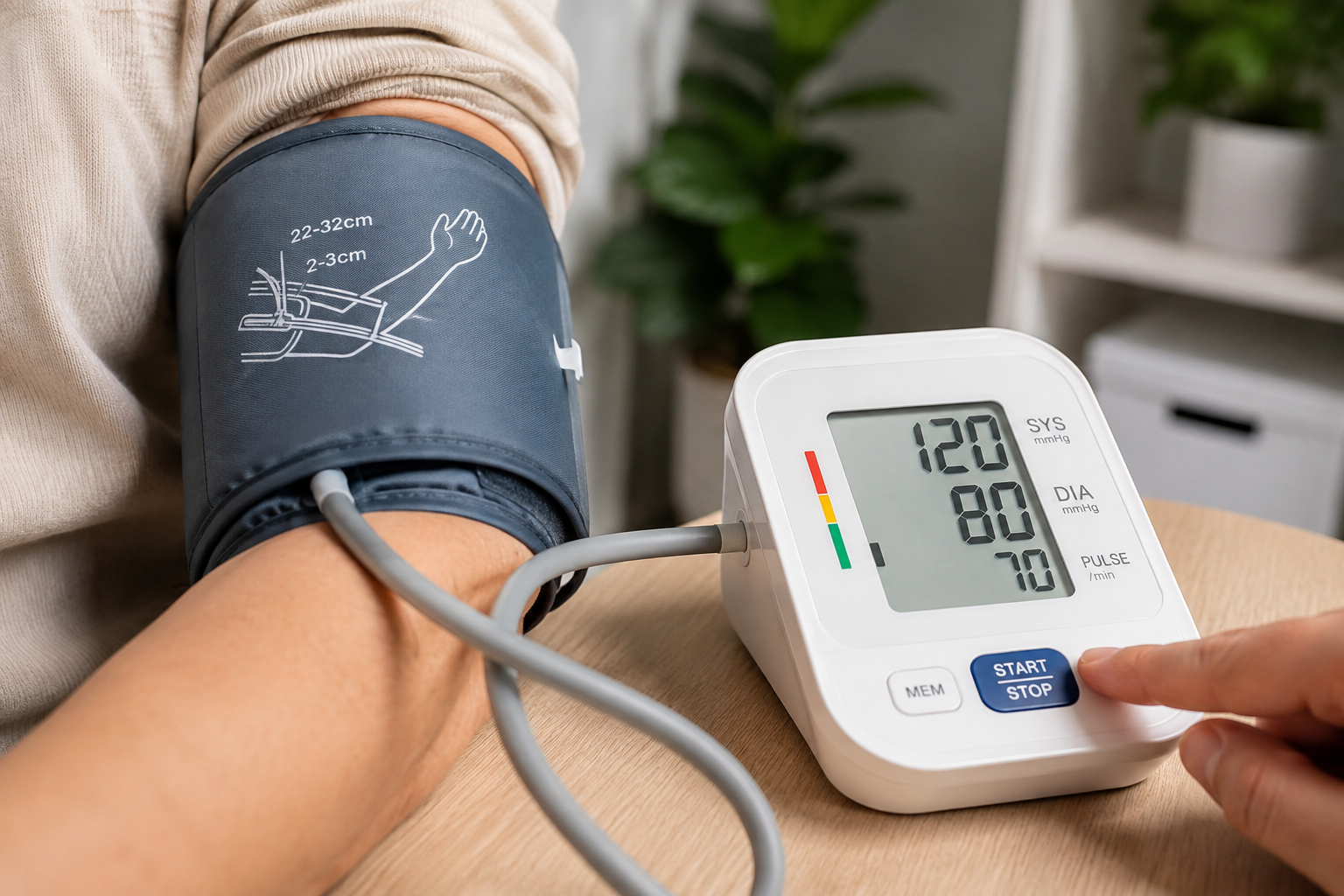
During a Pharmacy First consultation, the pharmacist will ask about your symptoms, medical history, allergies and any medicines you’re taking. Depending on the condition, they may also need to carry out an examination.
After assessing your symptoms, the pharmacist may:
- Provide self-care advice
- Recommend an over-the-counter treatment
- Supply certain prescription-only medicines, where clinically appropriate
- Refer you to your GP or another healthcare service if further assessment is needed
The outcome of your consultation is recorded and shared with your GP so your health record can be updated.
Do I Need an Appointment for Pharmacy First?
No. You can simply walk into one of our PillBox Chemists branches and ask to speak to a pharmacist about Pharmacy First. You do not need a GP referral.
If you prefer to plan ahead, you can also book your Pharmacy First consultation online with PillBox Chemists.
Frequently Asked Questions (FAQs)
Is Pharmacy First free?
The Pharmacy First consultation is provided through the NHS for eligible patients. If medicine is supplied, normal NHS prescription charge rules may apply unless you are exempt from prescription charges.
Can a pharmacist supply antibiotics through Pharmacy First?
Yes, for certain conditions where clinically appropriate and the relevant NHS criteria are met. Antibiotics are not automatically supplied and will depend on the pharmacist’s clinical assessment.
What if my condition isn’t covered by Pharmacy First?
Your pharmacist can still provide advice on many common health concerns and recommend suitable over-the-counter treatments where appropriate. If you need further assessment, they can advise you to contact your GP, NHS 111 or another appropriate healthcare service.
Get Help Through Pharmacy First at PillBox Chemists
If you have symptoms of one of the seven conditions covered by NHS Pharmacy First, our PillBox Chemists team is here to help.
Simply walk into one of our PillBox Chemists branches or book your Pharmacy First consultation online at a time that suits you.
Get the right care from your local pharmacy.